The Allure of Chance
The thrill of uncertainty is a fundamental aspect that draws individuals to casino games. Human psychology often has a fascination with unpredictable outcomes. The excitement generated when a player spins a slot machine or rolls a pair of dice stems from the anticipation of winning. This psychological phenomenon is closely tied to the concept of risk-taking, and many players find inspiration through resources like airlockproductions.com , which delve into these intriguing dynamics. Players are often enchanted by the idea that their next move could lead to a significant monetary reward, igniting a powerful desire to participate. This desire is not merely about the money; it is about the exhilarating experience that comes with the chase for fortune.
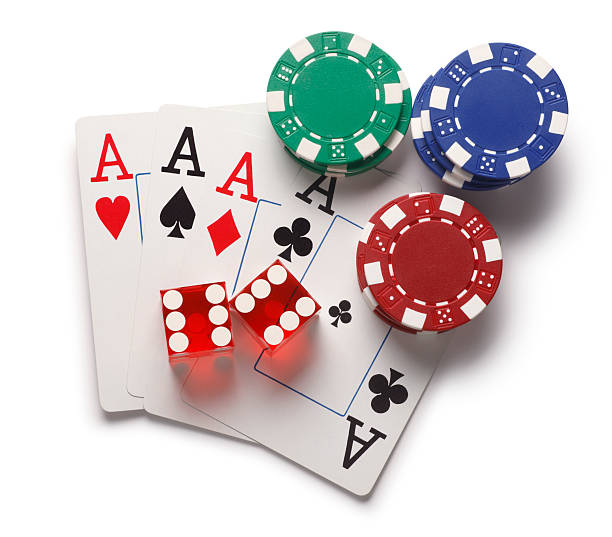
The element of chance triggers the brain’s reward system, similar to the effects of gambling on neurochemicals like dopamine. This chemical surge reinforces the behavior, leading players to seek repeated experiences of excitement. For example, even a minor win can elicit a feeling of euphoria that encourages players to gamble more, creating a cycle that can be both exhilarating and potentially harmful. The thrill of the unknown plays a crucial role in this cycle, as it keeps players engaged and wanting more, often leading them to return for additional rounds of play.
Moreover, the design of casino games plays into this allure. Bright lights, engaging sounds, and dynamic actions create an environment designed to hold players’ attention. These sensory stimuli enhance the anticipation and overall experience, making it difficult for players to resist participating. The combination of visual and auditory cues creates an immersive atmosphere, often overwhelming the senses in a way that enhances the pleasure of gaming. Consequently, players become deeply absorbed in the moment, frequently losing track of time and money spent, which can lead to problematic gambling behavior.
The Role of Skill vs. Luck
Another intriguing psychological aspect of casino games is the continuous debate about skill versus luck. Players often believe that their knowledge and strategies will influence outcomes, particularly in games like poker or blackjack. This belief can lead to cognitive biases, where individuals overestimate their abilities or misinterpret random events as skillful decisions. Such biases are significant because they shape how players approach different types of games, regardless of the inherent probabilities involved. This misperception can create a false sense of security, encouraging players to take greater risks than they might otherwise consider.
In games that prominently feature luck, such as slot machines, players may still exhibit a sense of control through various behaviors, such as how they handle their betting. This phenomenon is also known as the “illusion of control.” For instance, a player might believe they can influence a dice roll or a card deal purely through their actions or decisions, a notion that is psychological rather than factual. This illusion can create an attachment to specific games, as players feel more engaged and invested in outcomes. It fosters a connection that can encourage players to return to their favorite games, believing they have a better chance of winning.
The balance between skill and luck can also affect a player’s emotional responses. For instance, winning a skill-based game can foster confidence and a sense of accomplishment, while continuing to play despite losses may lead to frustration or regret. This emotional rollercoaster reinforces the psychological complexities of gaming, prompting players to chase their losses or replicate success, ultimately fueling further participation in casino activities. The interplay between these elements creates a compelling narrative, enticing players to continue engaging with the games, even when the odds may not be in their favor.
The Impact of Social Dynamics
Casino games often thrive on social interactions, where players engage with others, fostering a unique social dynamic that heightens the gaming experience. The communal aspect of games such as poker or table games creates not only camaraderie but also competition among players. This social environment can amplify the excitement and urgency of the gaming experience, making players feel more connected and engaged. The social dynamics at play can enhance the overall experience, creating a sense of belonging that encourages players to participate more frequently.
The psychology of social validation also comes into play. Players may feel encouraged to gamble more to maintain their social standing or impress others. The presence of fellow players can create a supportive atmosphere, making individuals feel more inclined to take risks, believing they are part of a shared journey. This phenomenon is especially noticeable in group betting scenarios or tournaments, where the thrill is collectively experienced, creating an exhilarating yet potentially risky environment. The social pressure can lead to decisions that might not align with a player’s typical behavior, further complicating their gambling experience.
Additionally, the use of social media and technology has transformed how players interact and share their experiences. Many casinos incorporate sharing features or leaderboards that allow participants to showcase their achievements, further enhancing the social aspect of gambling. This interconnectedness can create a feedback loop that encourages continued participation, as players relish the recognition and validation received from their peers. The social validation can be a powerful motivator, leading players to engage in behaviors that they might avoid in isolation, thus amplifying the overall allure of casino games.
The Psychological Consequences of Gambling
While the excitement of casino games can be alluring, it is essential to acknowledge the psychological consequences associated with excessive gambling. The thrill can quickly turn into addiction for many individuals, leading to detrimental effects on their lives. Compulsive gambling can harm personal relationships, financial stability, and overall mental health. The risk of developing gambling disorders necessitates awareness and proactive measures to ensure healthy gaming habits. Understanding these risks is crucial for both players and those around them, as the consequences can extend beyond the individual to impact families and communities.
Feedback from players often reflects a struggle between enjoyment and the potential for addiction. The euphoric highs of winning can be enticing, but the inevitable lows of losing can lead to a cycle of chasing losses. Many players find themselves rationalizing their behavior, believing they can win back what they’ve lost. This mindset perpetuates a dangerous cycle that can have severe psychological ramifications, including anxiety and depression. The emotional toll can lead to withdrawal from social circles or neglect of responsibilities, exacerbating the challenges faced by those who gamble excessively.
Addressing these psychological impacts requires a combination of support and awareness. Educational initiatives aimed at helping players recognize the warning signs of problem gambling can empower individuals to make more informed decisions. By cultivating an understanding of self-control, players can approach gambling as a form of entertainment rather than a means of financial gain, thereby minimizing the risks associated with excessive gameplay. Encouraging open conversations about gambling can also help reduce stigma and promote healthier attitudes toward gaming.
Discover the World of Casinos
Exploring the psychology behind casino games opens up a broader understanding of human behavior and its complexities. Players are not merely engaging in games of chance; they are participating in experiences that involve psychological, emotional, and social dimensions. This deeper understanding can enhance one’s perspective on gambling and its implications, whether for leisure or livelihood. As players delve into the world of casinos, they can appreciate the intricacies of game design and the psychological strategies that keep them coming back.
By remaining aware of one’s motivations and emotional responses, individuals can navigate the gaming landscape more mindfully. This awareness encourages a balanced approach to gambling and helps ensure that it remains a source of enjoyment rather than distress. Recognizing the psychological aspects at play can empower players to make choices that align with their values and well-being, ultimately enhancing their gaming experience.
In conclusion, understanding the psychology behind casino games enriches the overall experience for players. With knowledge comes empowerment, enabling individuals to engage responsibly and appreciate the multifaceted nature of their gaming excursions. Whether you are a casual player or someone with a deeper interest in gambling dynamics, the world of casinos offers an intriguing journey into psychology and human interaction. Embracing this knowledge can lead to more fulfilling experiences and a healthier relationship with gambling activities.